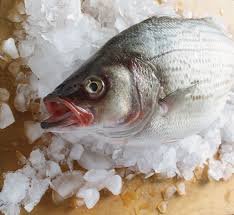
Frozen Fish
- Fillets
- Snapper fillets
- Breaded/Prepared
- Shrimp/Prawns
- Smoked/Specialty
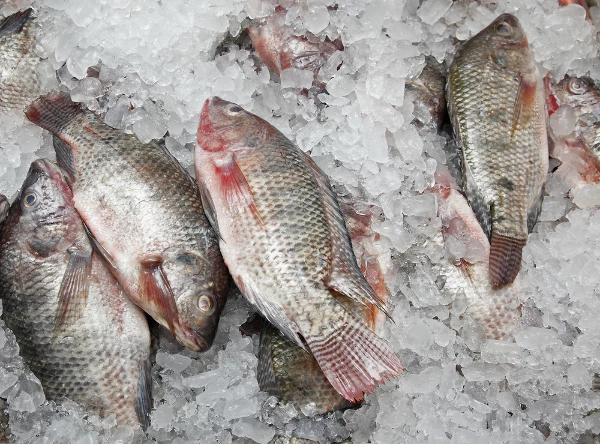
Freezing is an effective means of preserving fish over long storage periods. Frozen fish stored for up to three months under ideal conditions (low non-fluctuating temperature) cannot be distinguished from fresh fish with regard to colour, taste and texture (Cappeln et al., 1999; Nielsen and Jessen, 2007). Packaging for frozen fish must have a number of specific properties, first, because frozen fish is exposed to large temperature variations: there is both cooling during freezing and heating during thawing and during frozen storage and transport. Water barrier properties are also an important parameter of any packaging material used for the freezing of fish to prevent dehydration, which causes freezer burn. Freezer burn manifests as whitish or yellow brown, dry, tree-like areas on the fish flesh, and has thus a major impact on the appearance and the sensory quality of the product (Pham and Mason, 1997). High levels of water evaporation may also accelerate protein denaturation giving a tough texture and lipid oxidation causing off-flavour production (George, 1996; Sikorsky and Kolokowska, 1994). Glazing is often used to protect the surface of both lean and fatty fish from oxidation and dehydration. The frozen product is either sprayed with or dipped in water, thereby, forming an ‘ice cap’ around the product. When cold storage is prolonged, it might be necessary to renew or reapply the glazing layer. Trials have shown that drip loss can be reduced by dipping the fish in a salt solution before freezing, but this treatment has also been shown to accelerate the development of an rancid freeze house taste (Paine and Paine, 1992) due to the presence of cis-4-Heptenal formed by oxidation of n-3 fatty acids.

| Fish Name | Fish Prices |
| Fillets | Rs.2000 |
| Snapper fillets | Rs.1500 |
| Shrimp/Prawns | Rs.2500 |
| Smoked/Specialty | Rs.1800 |